Kapsáli.
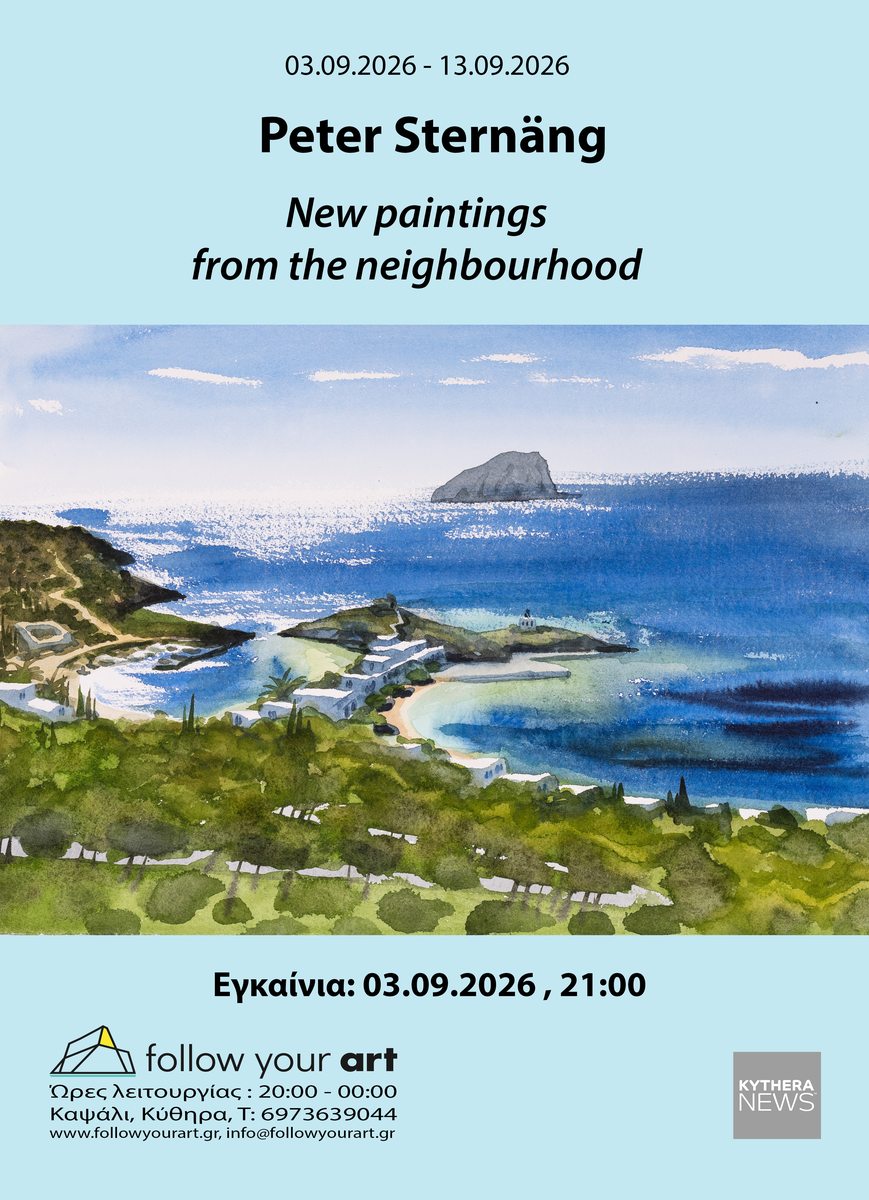
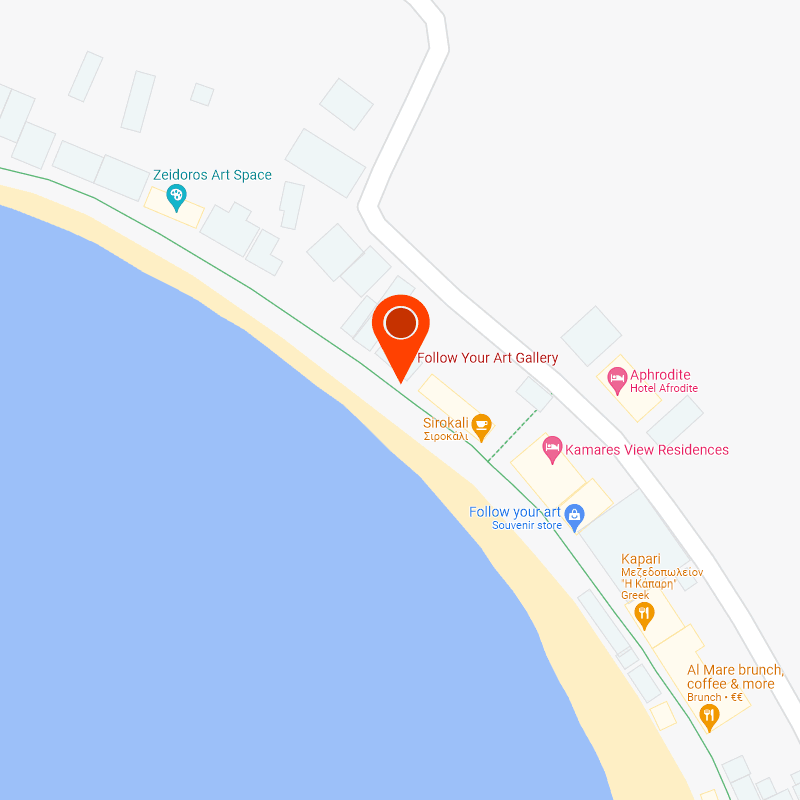
An early morning in the studio in Sweden, at the end of January, when the snowstorm rages outside the window and it is still dark, I thought about when I was in Greece painting last autumn. Has it really happened, one wonders, or is it just a dream? And then, will it happen again?I am reminded of a couple of weeks in September on the Ionian island of Kythera, between the Peloponnese and Crete, where according to local legends, Aphrodite was once born from the sea foam. I stayed in Kapsáli at the very bottom of the island, between two bays, surrounded by vast mountain ranges, everywhere adorned with small whitewashed churches and chapels, of which the most striking was Agios Ioannis, dedicated to John the Baptist.
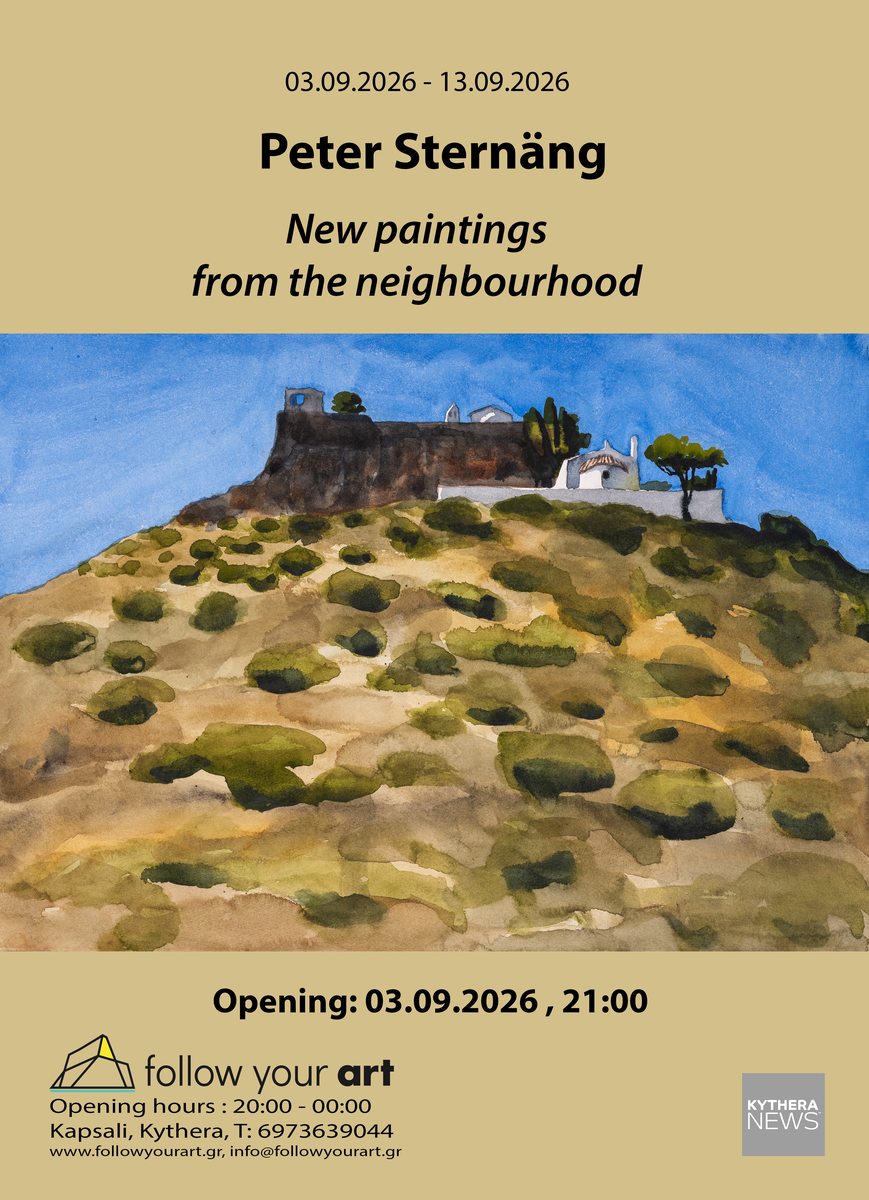
A hundred meters above the village, carved into the cliff and extended with winding stairs and a couple of dazzling white buildings, this sanctuary clings tightly. The English call it The Shrine of Saint John on the Cliff. One is struck by the silence up there, only interrupted by the chirping of birds of prey, weightlessly hovering in the warm ascending wind. It smells of rosemary, sage, and sun-warmed pine.
A solitary Greek man sits up there every day from morning to evening and keeps watch. He greets warmly and hands over a text about the place to the few visitors who arrive breathless up the stairs.
The English artist Edward Lear must have visited when he was in the area and painted his lithographs in the 1860s. Not to mention the first Allied soldiers who landed down on the beach in 1944, on their way to the bunker in Berlin. One of the rooms is furnished with a table and a couple of chairs, and three windows overlooking the sea, like a wonderfully cool and quiet studio. There I was allowed to stay and paint for a few days, filled with a sense of divine gratitude.
Peter Sternäng